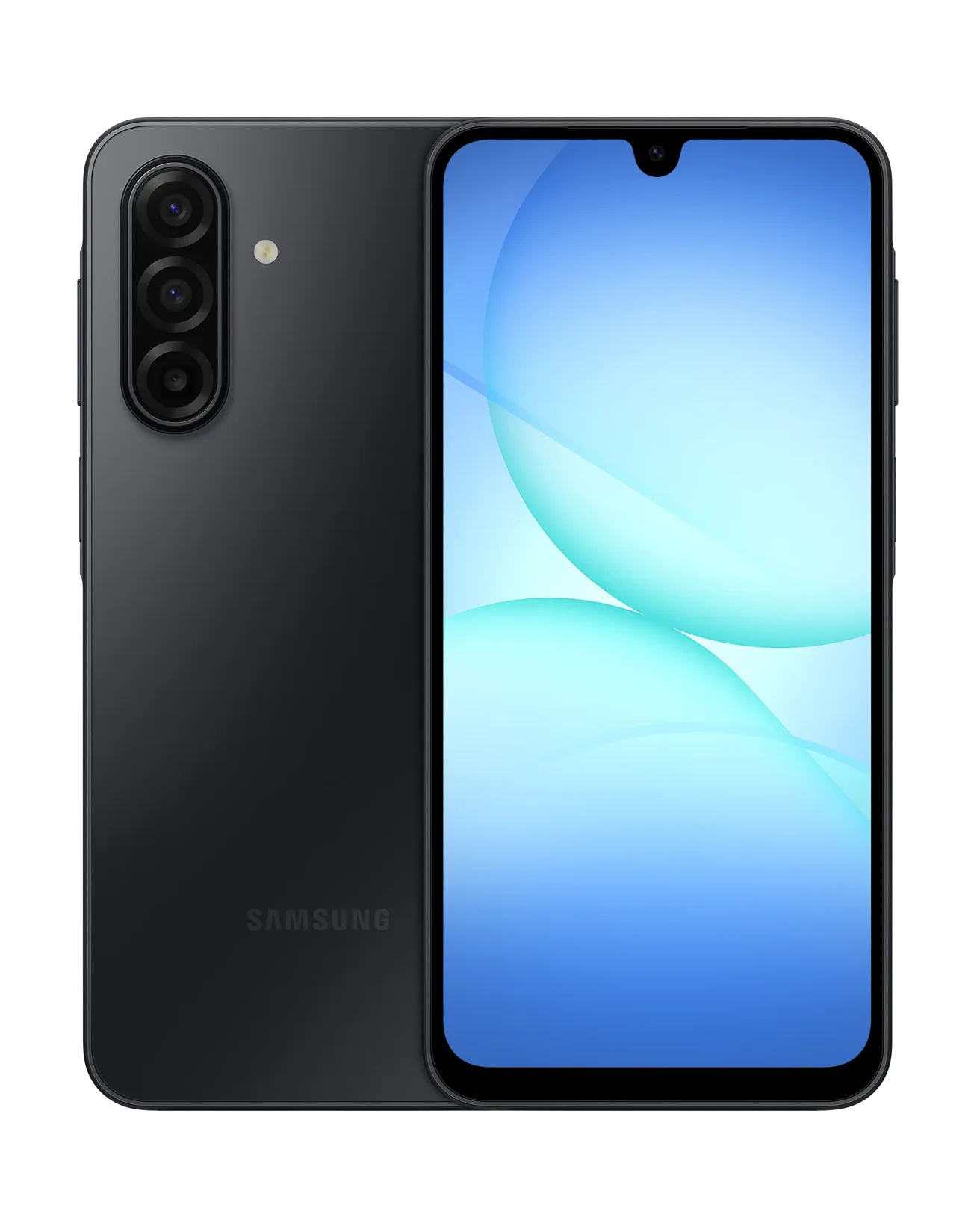
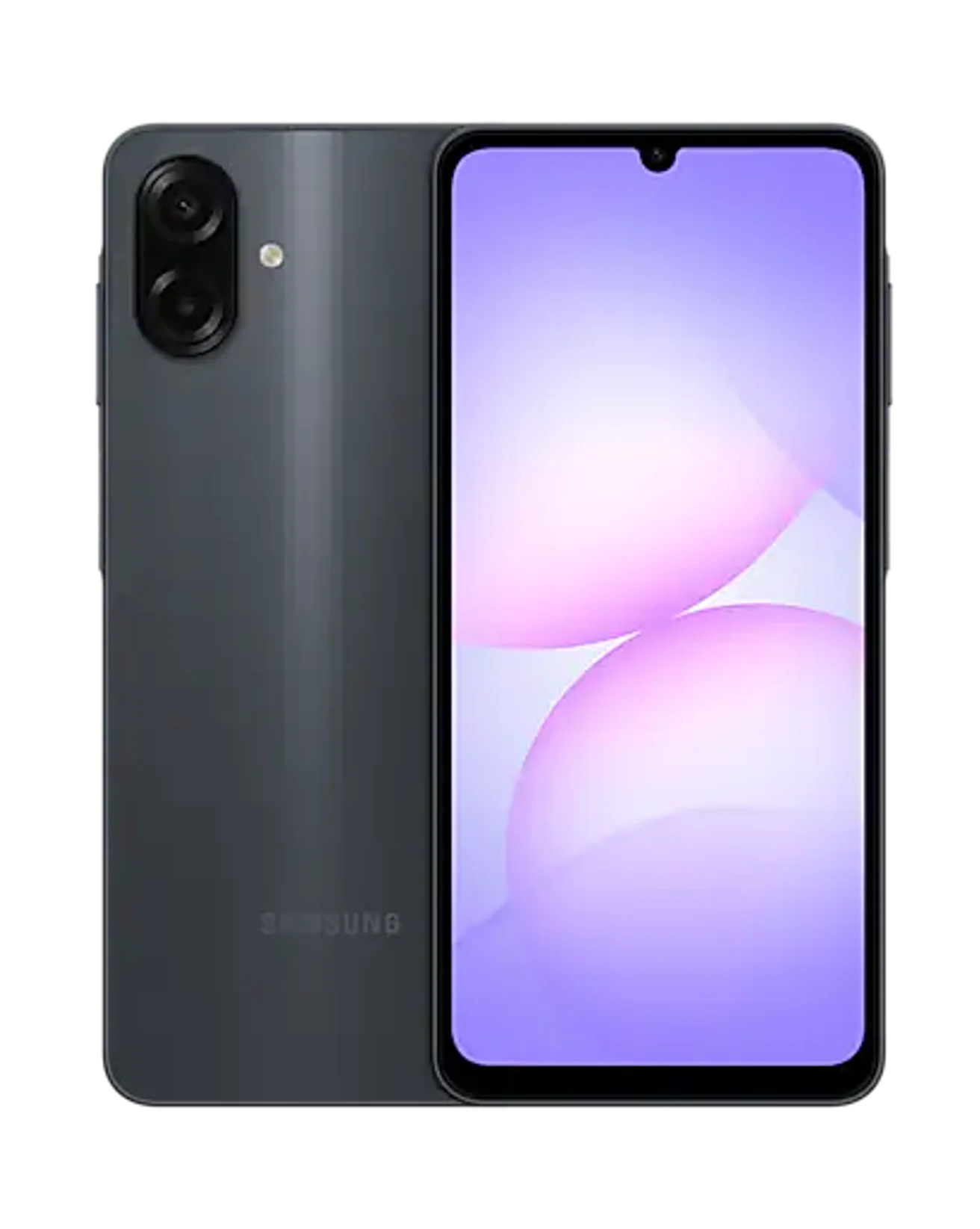
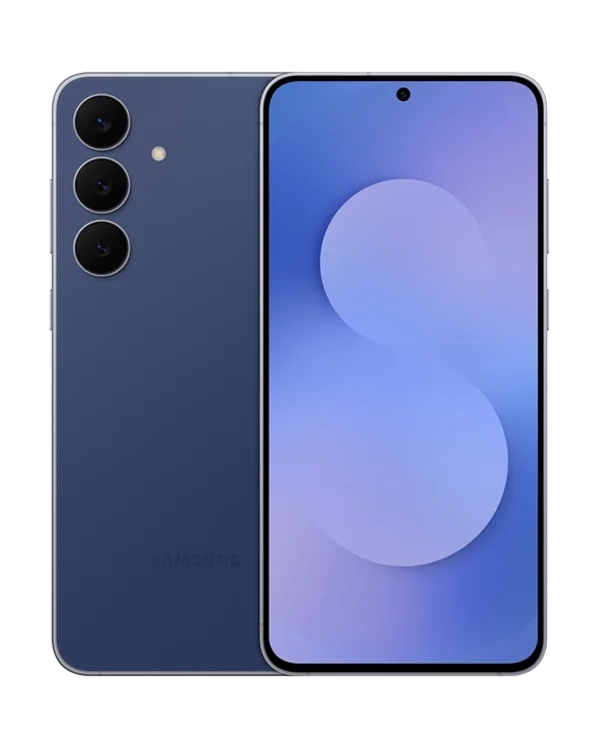


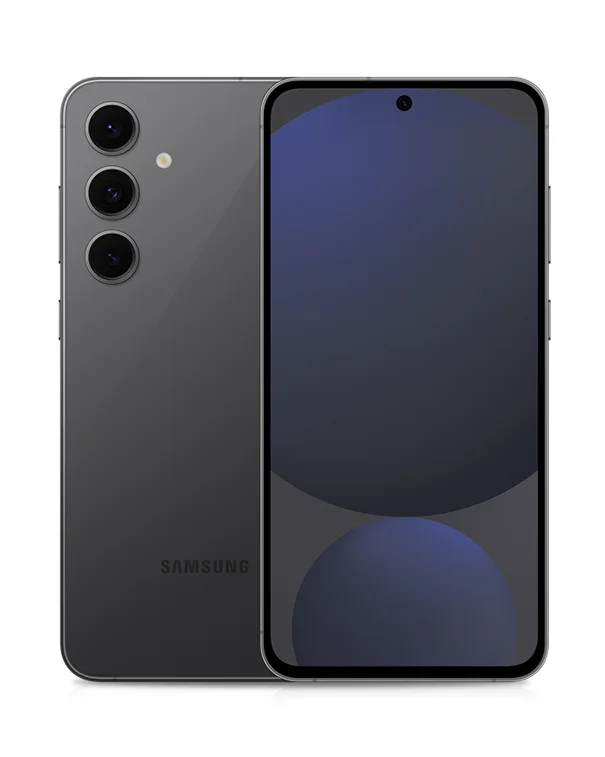

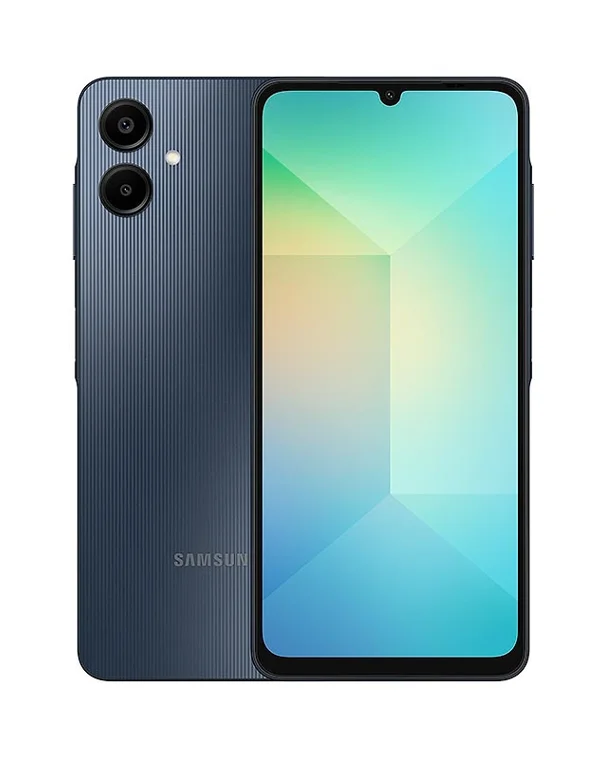
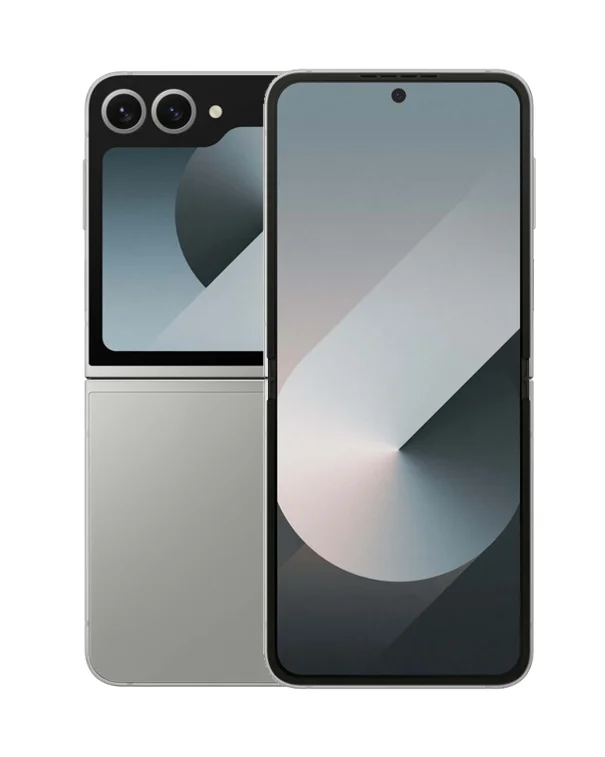
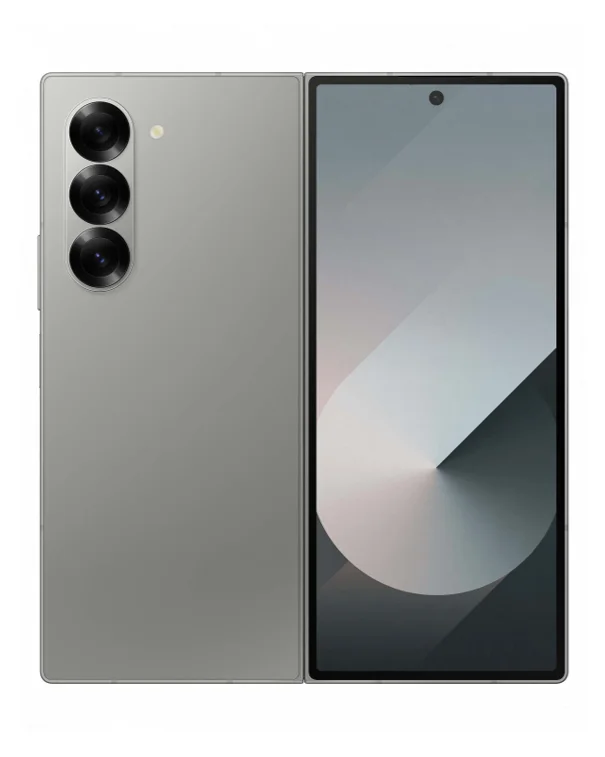


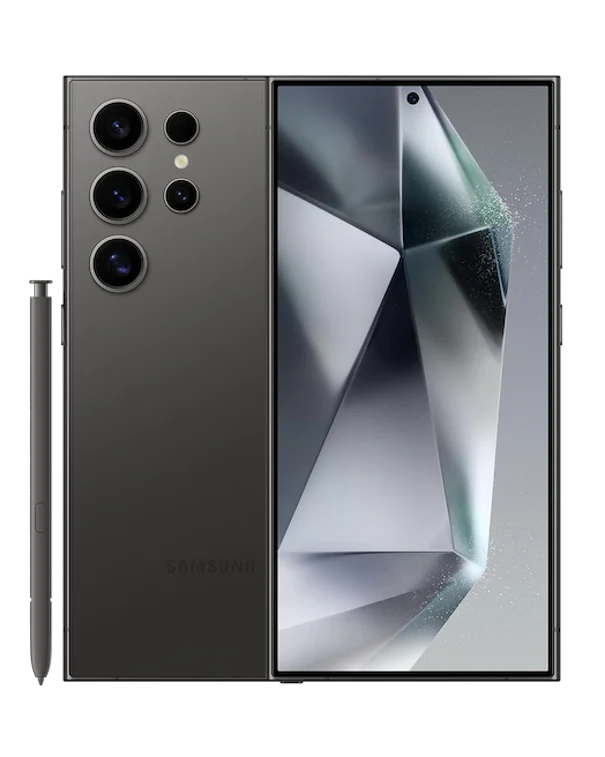

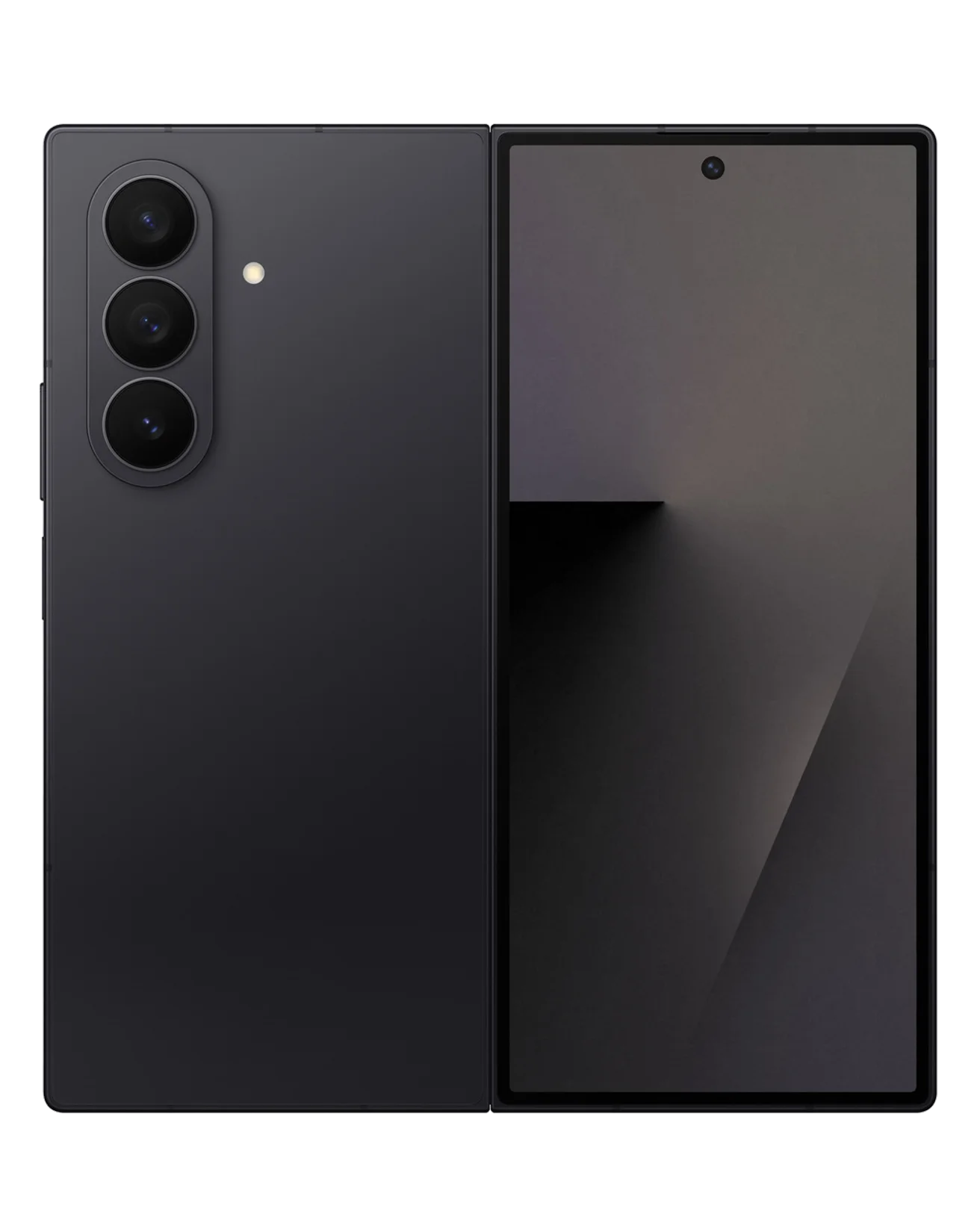
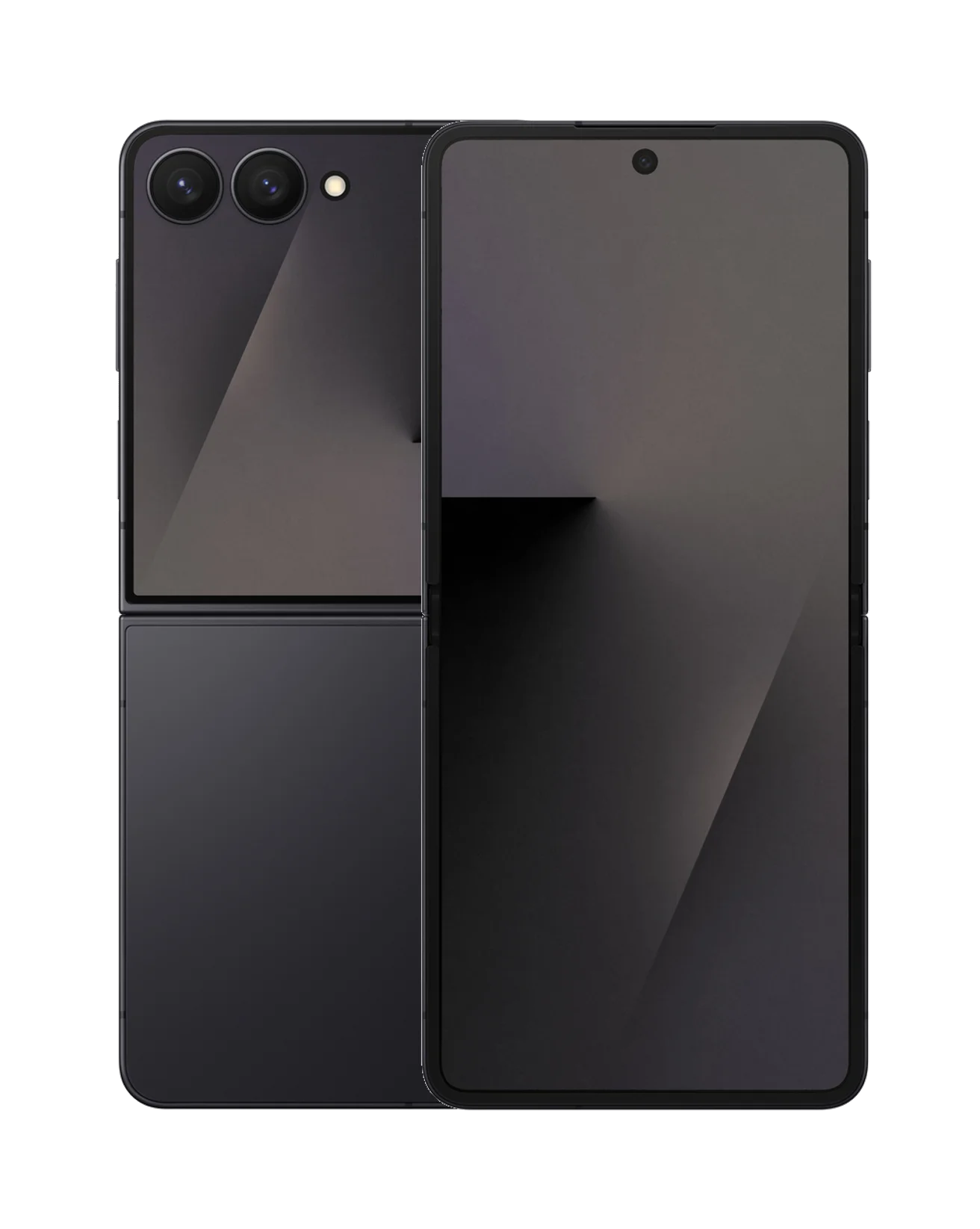
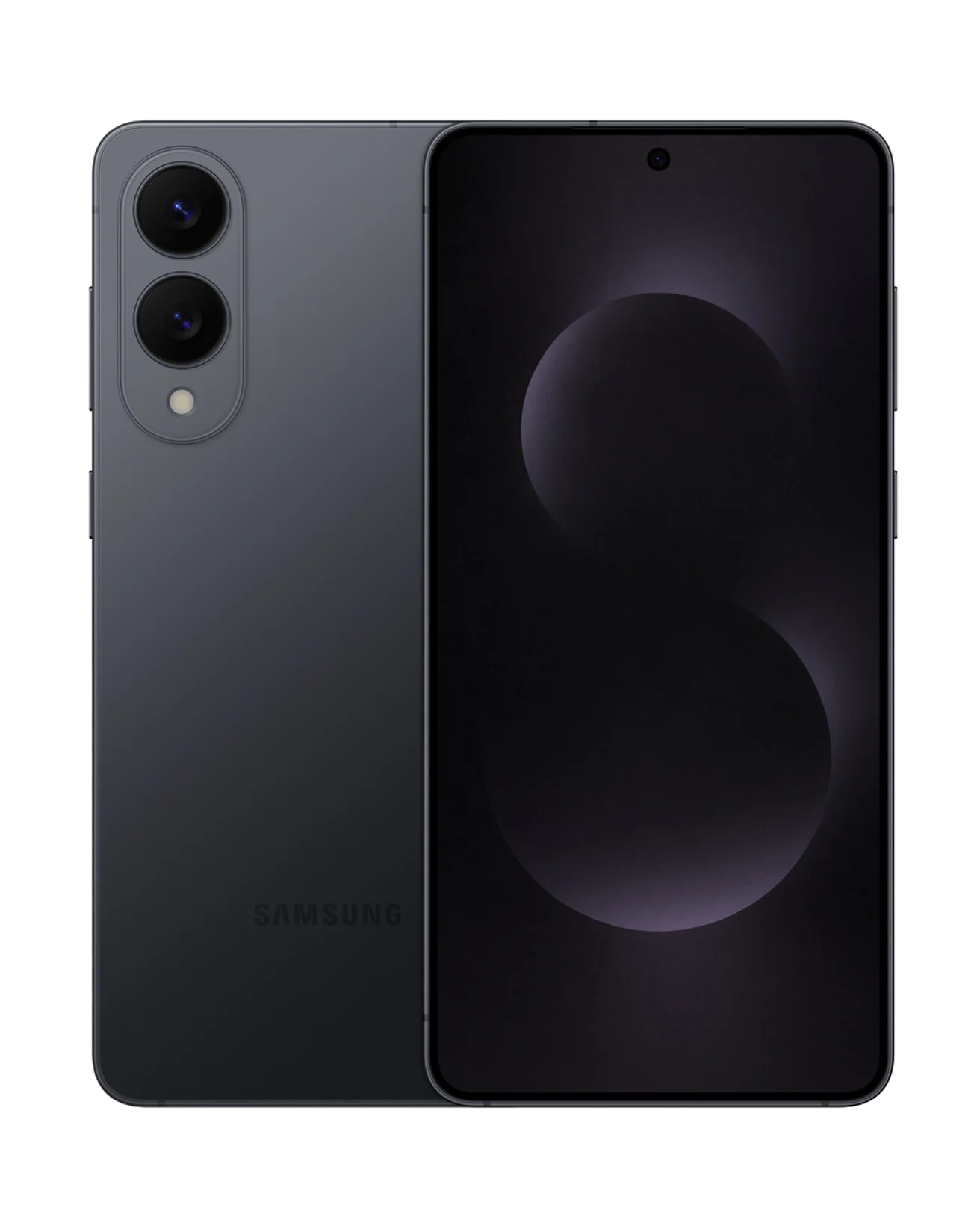

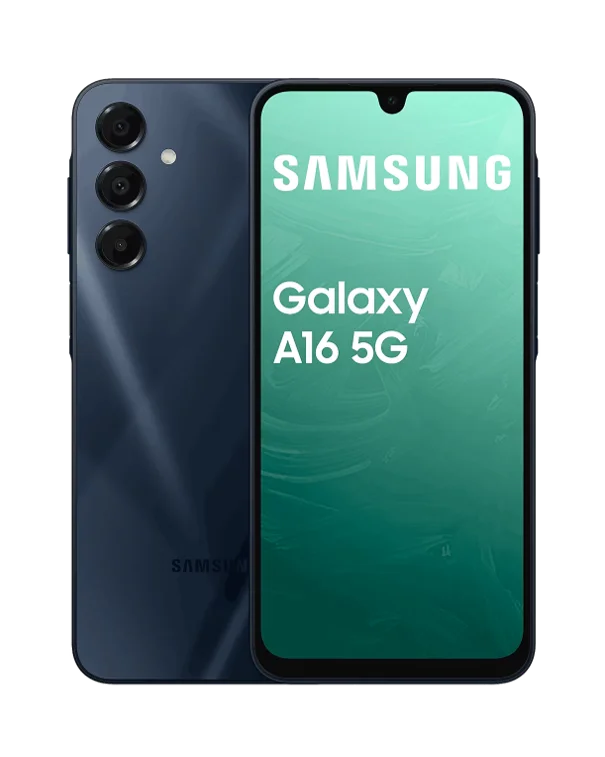
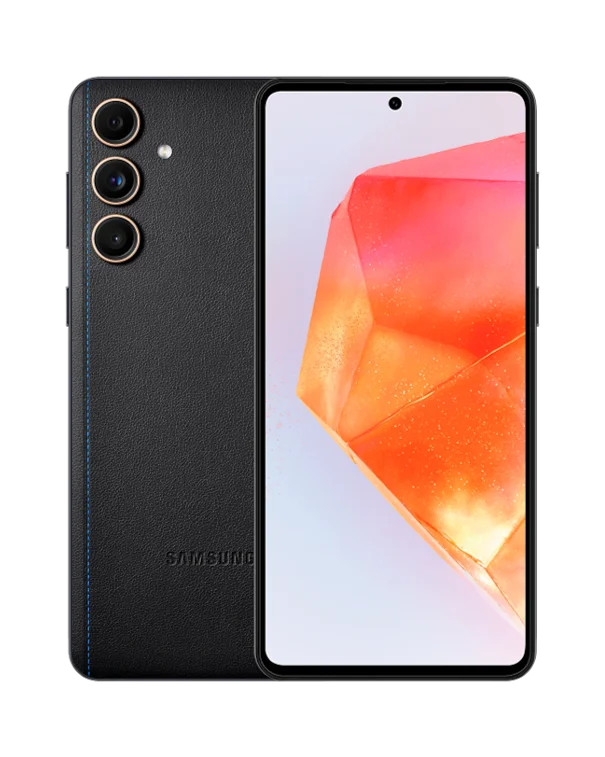


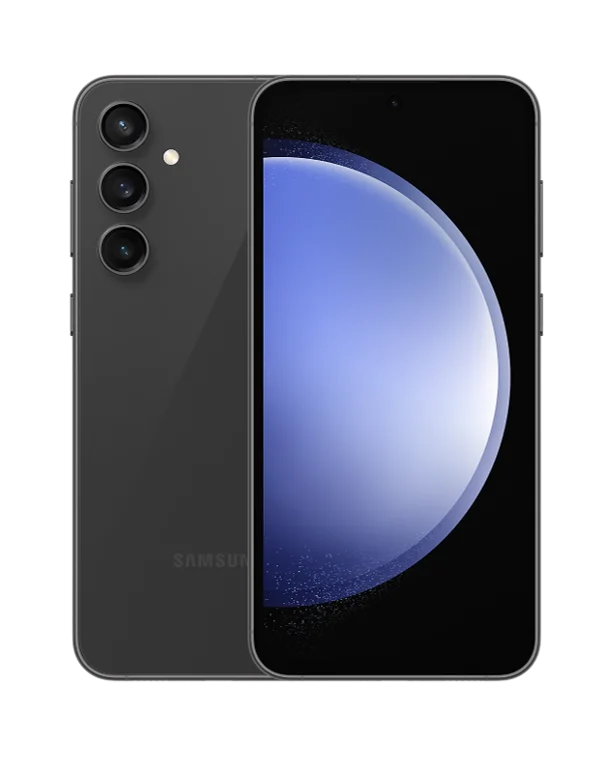
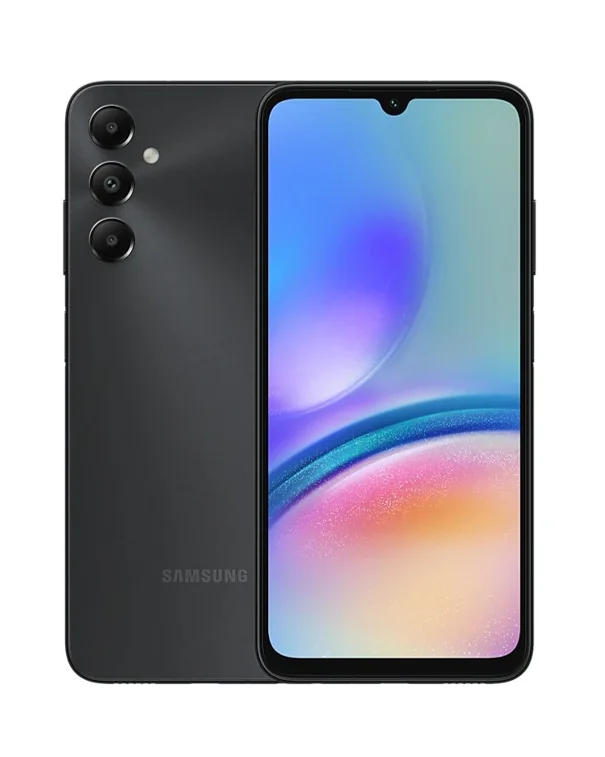
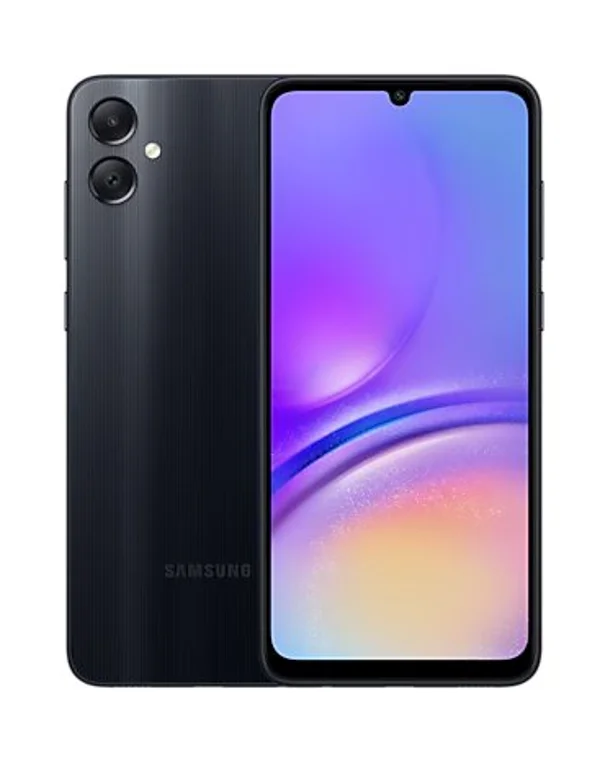



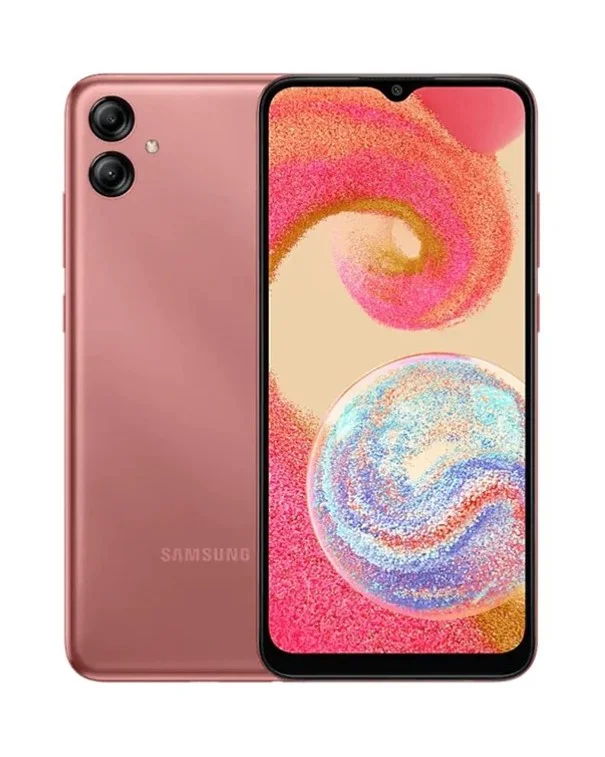
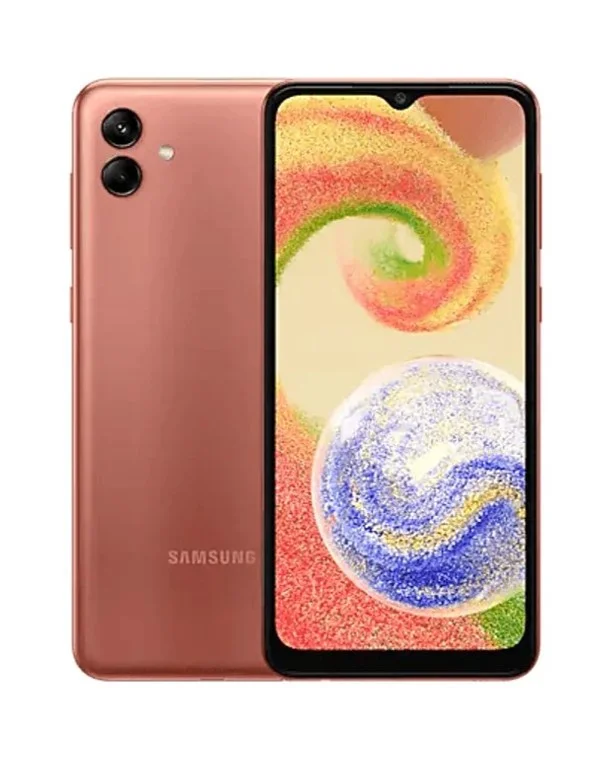
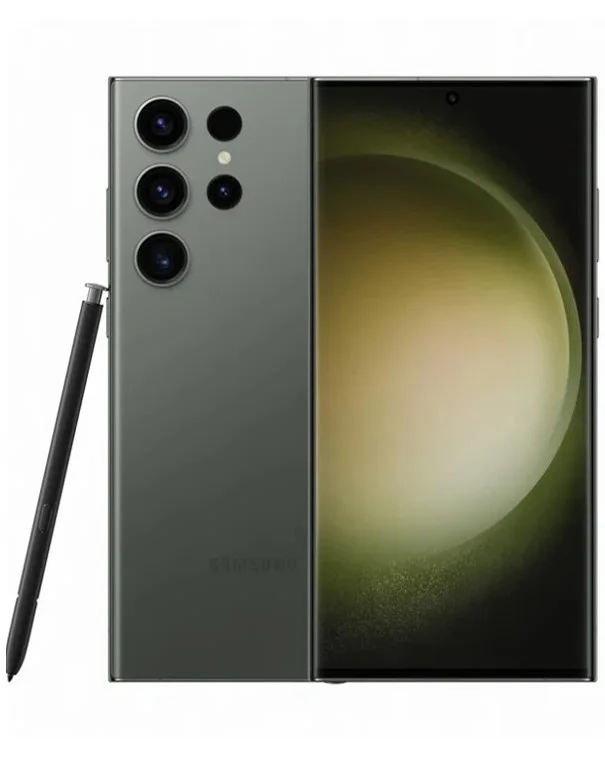
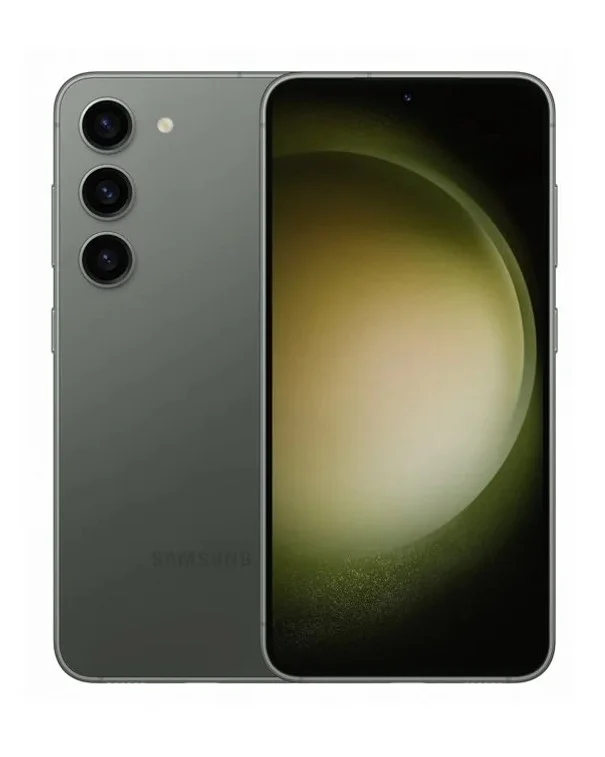
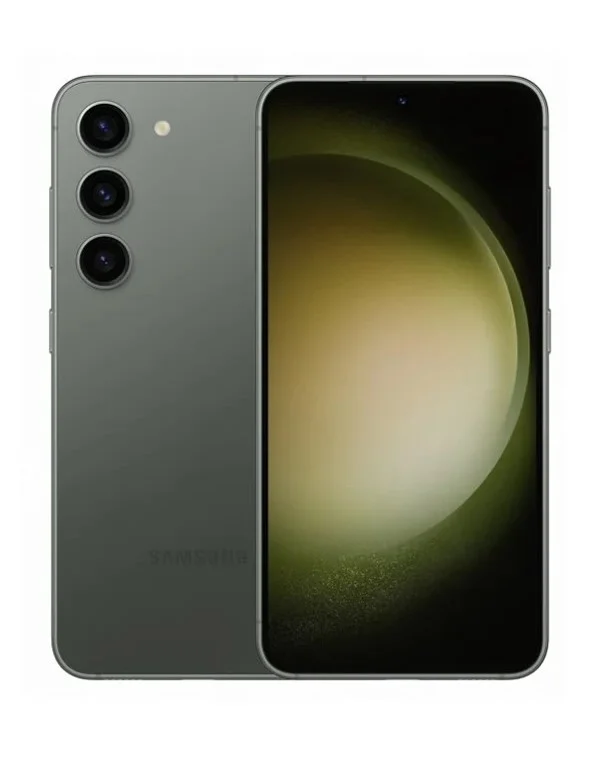

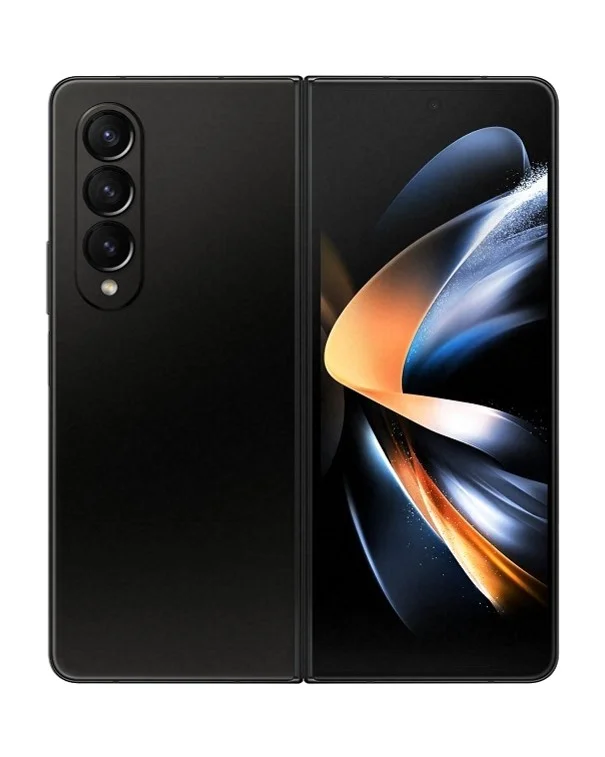

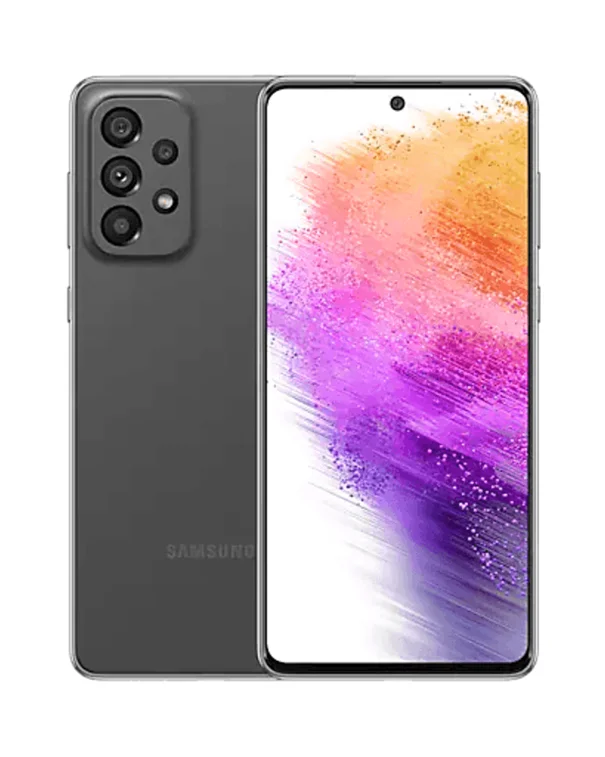
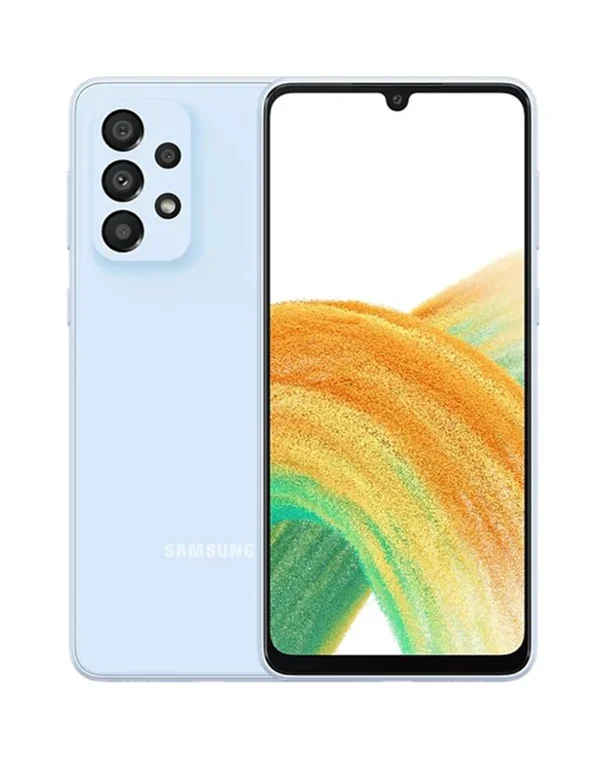

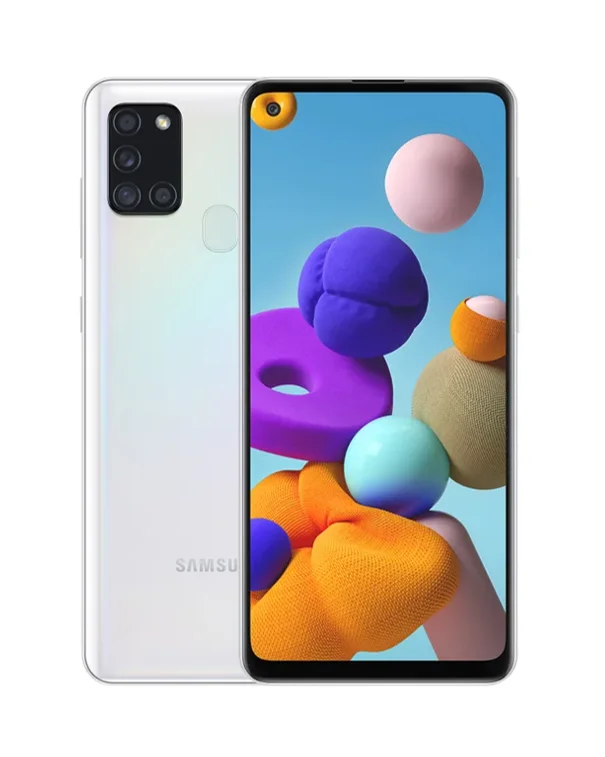
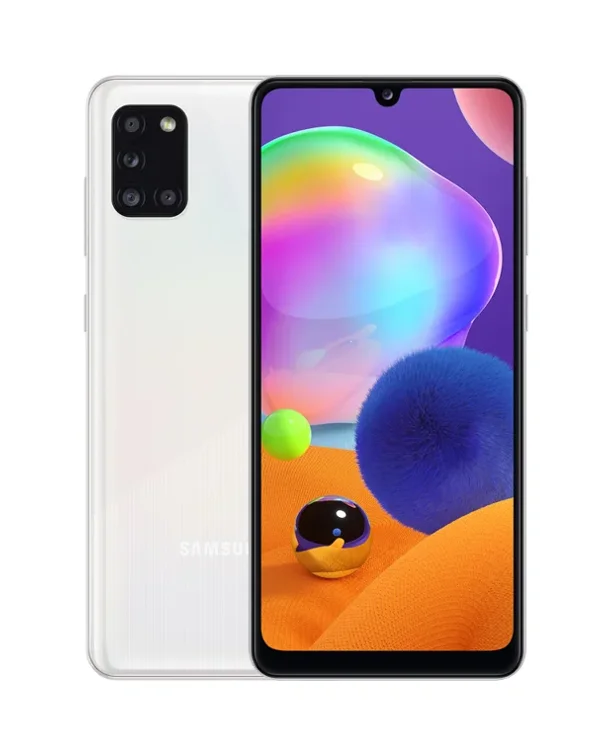


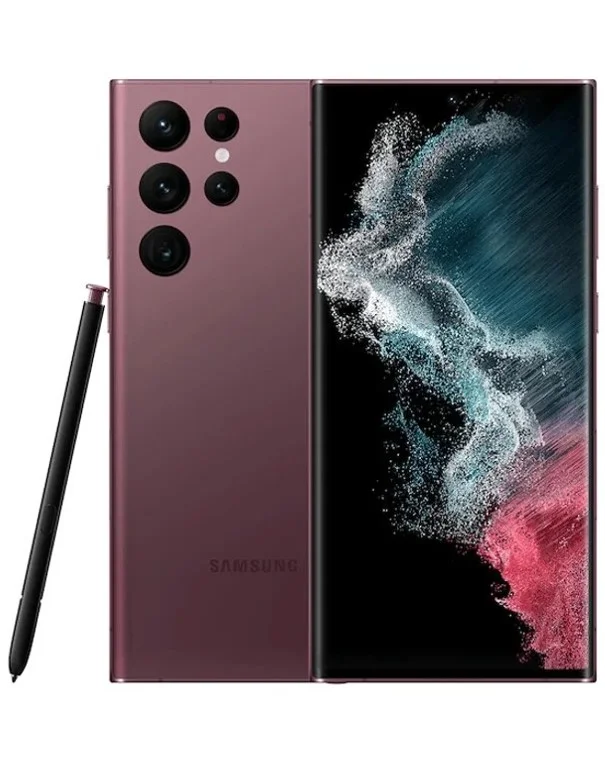

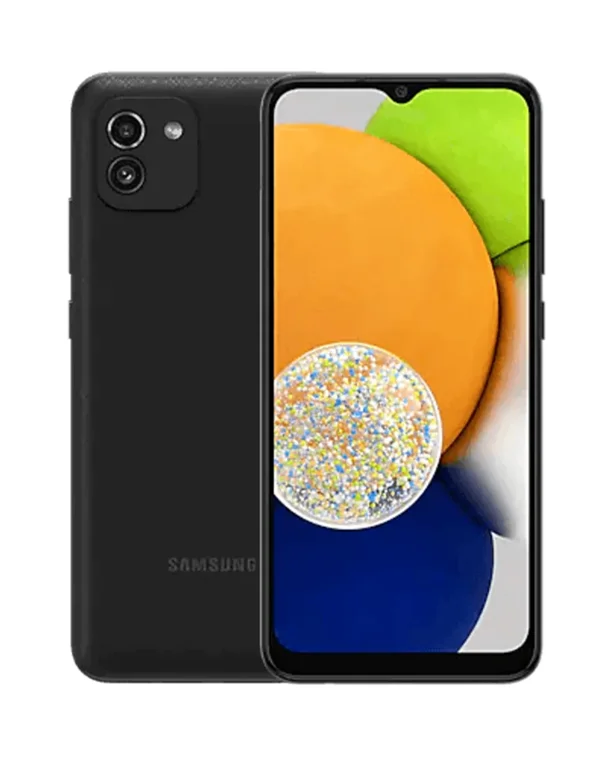

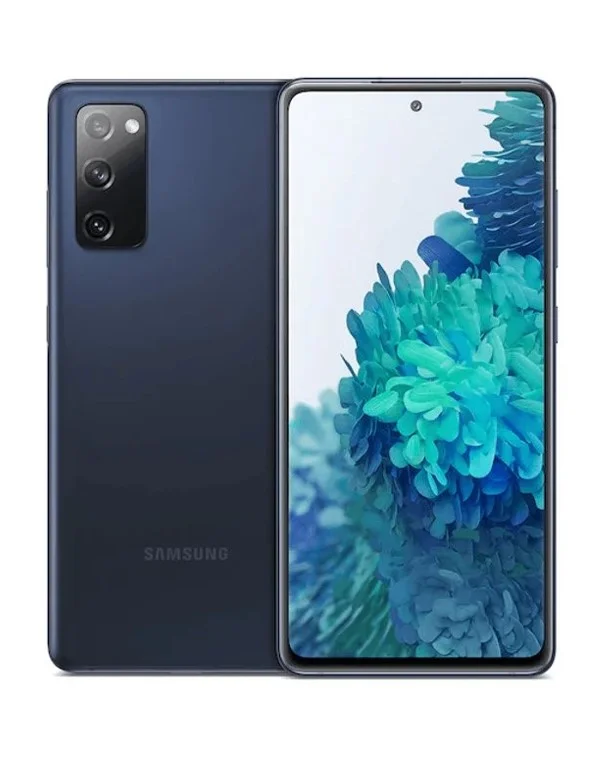
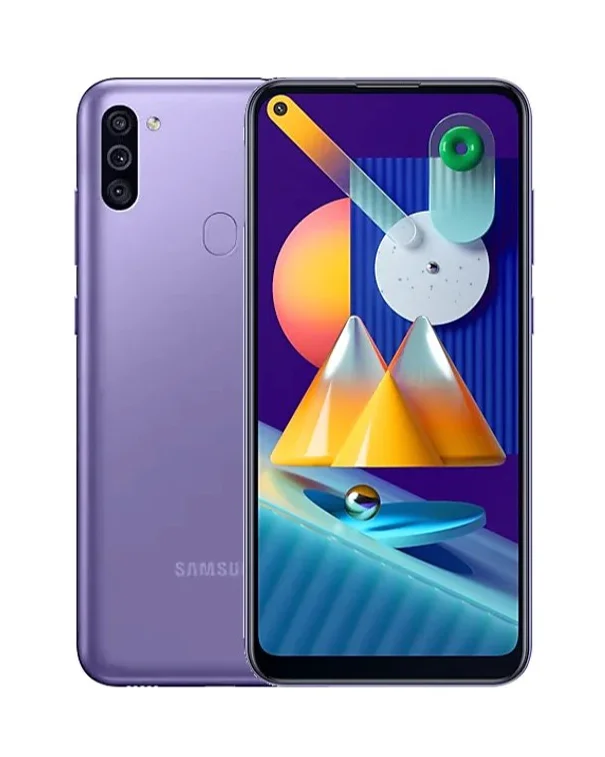


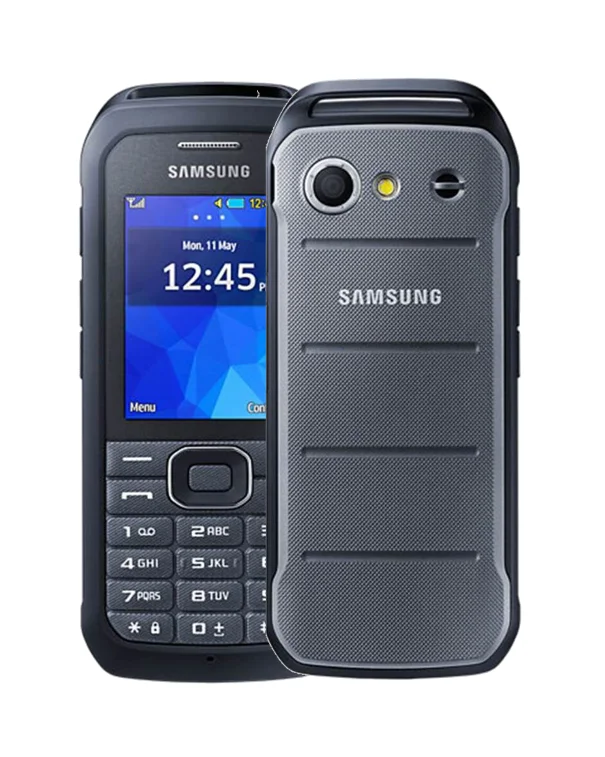
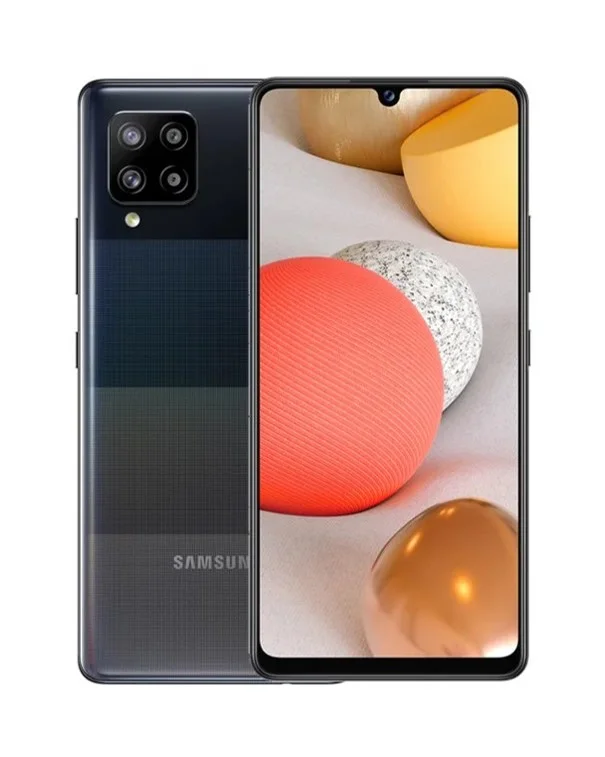
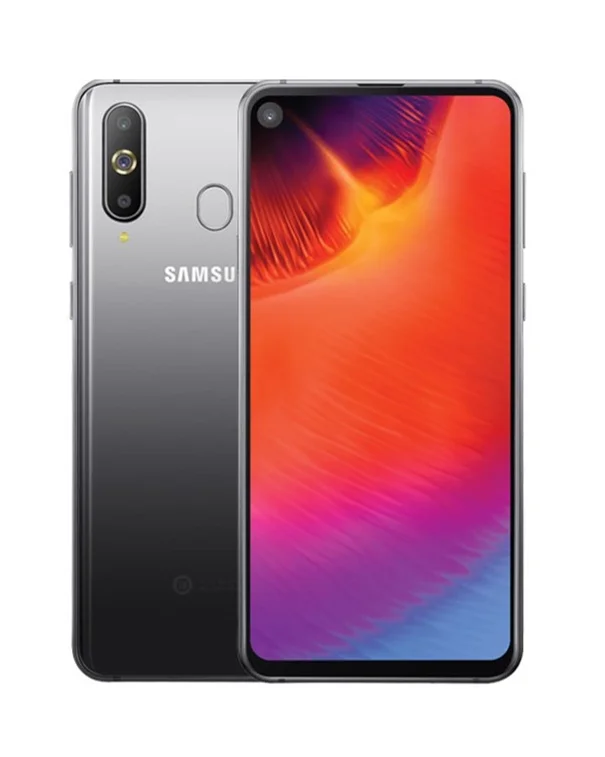
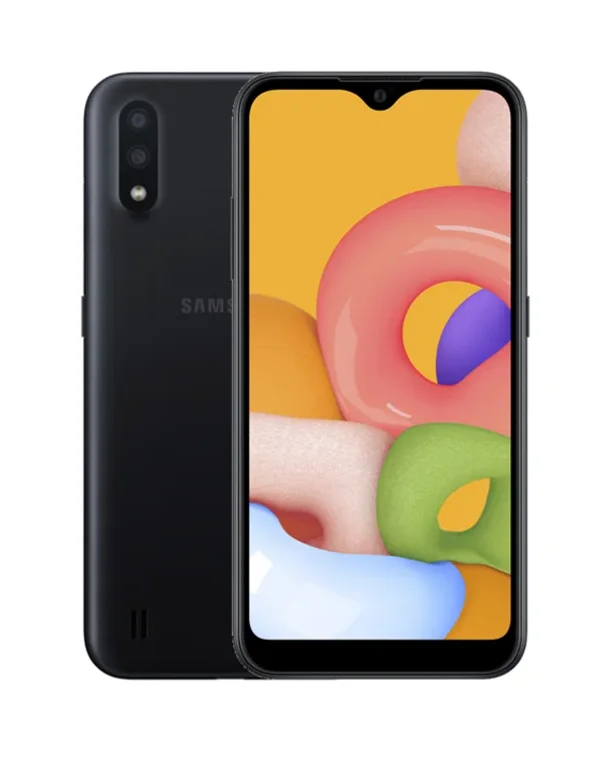

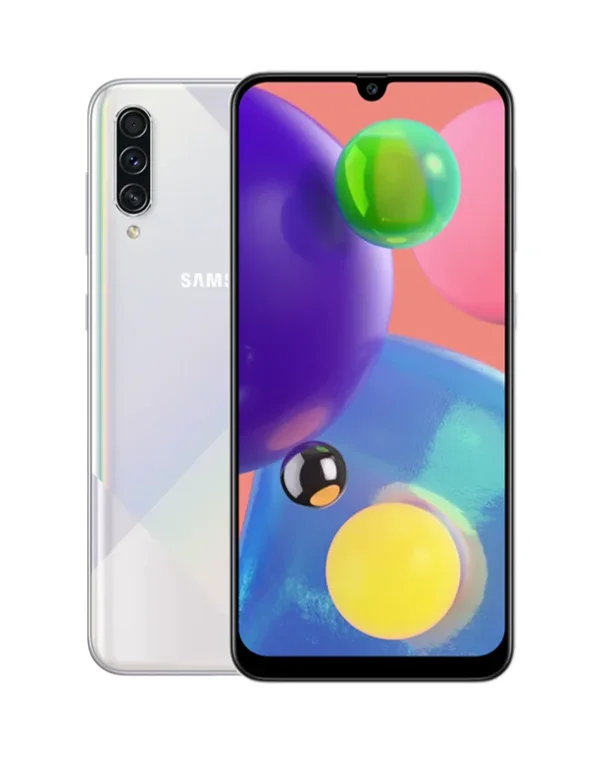


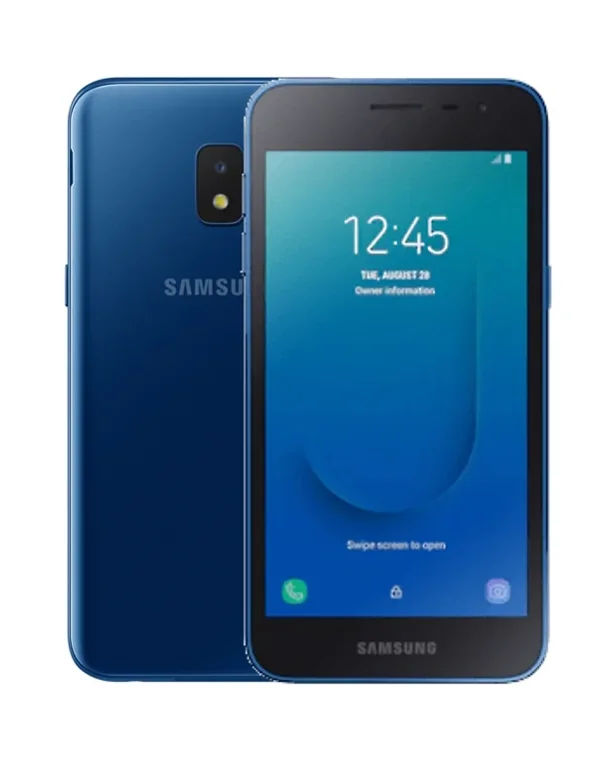


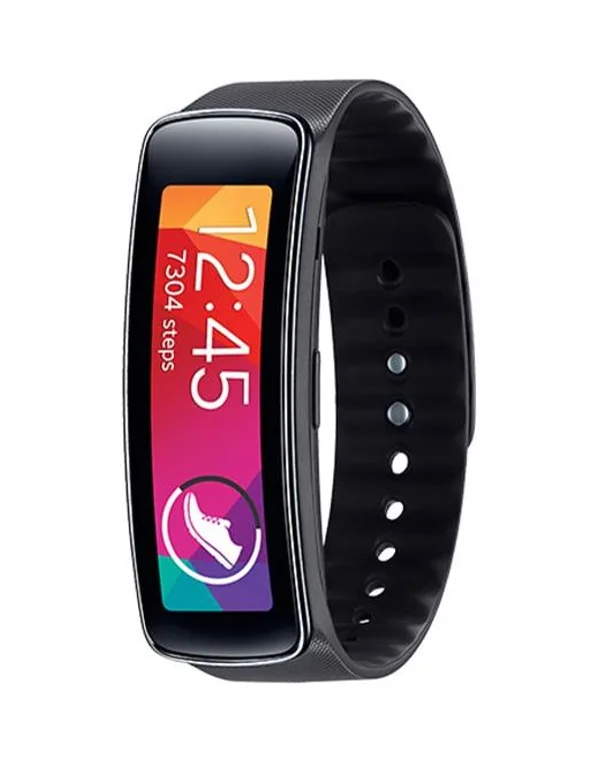

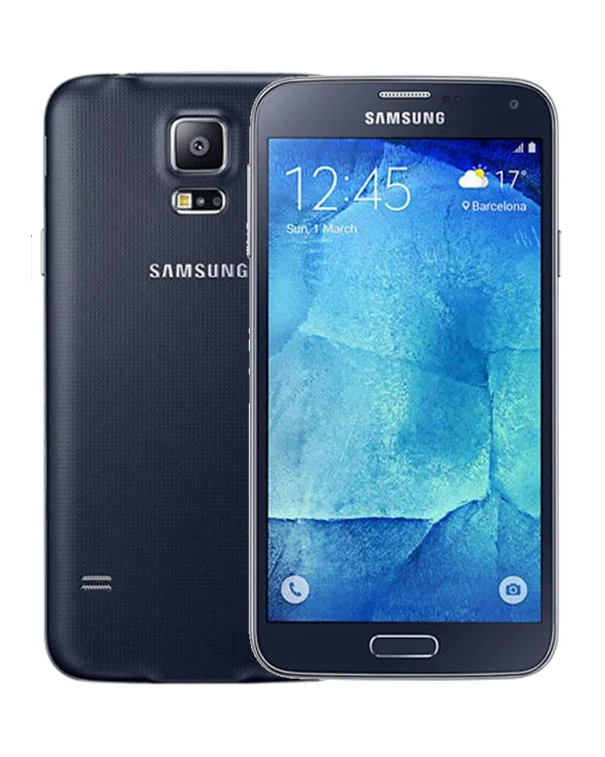
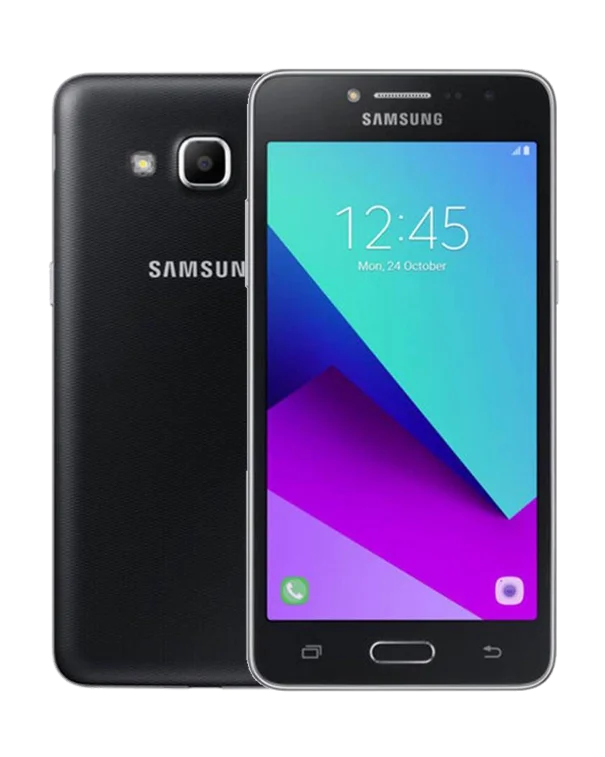
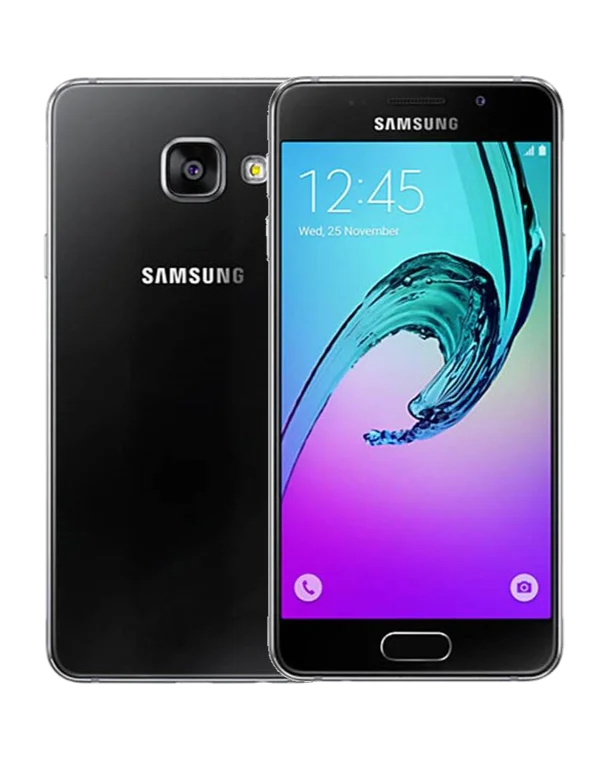
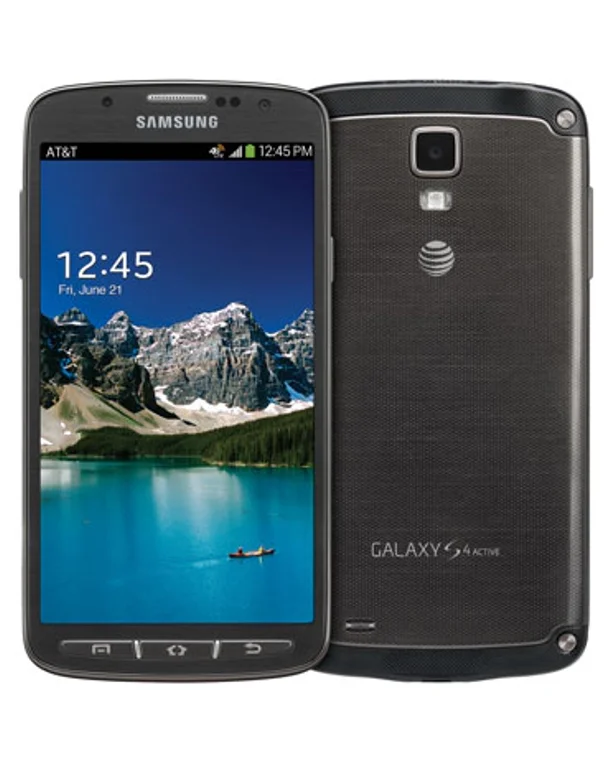
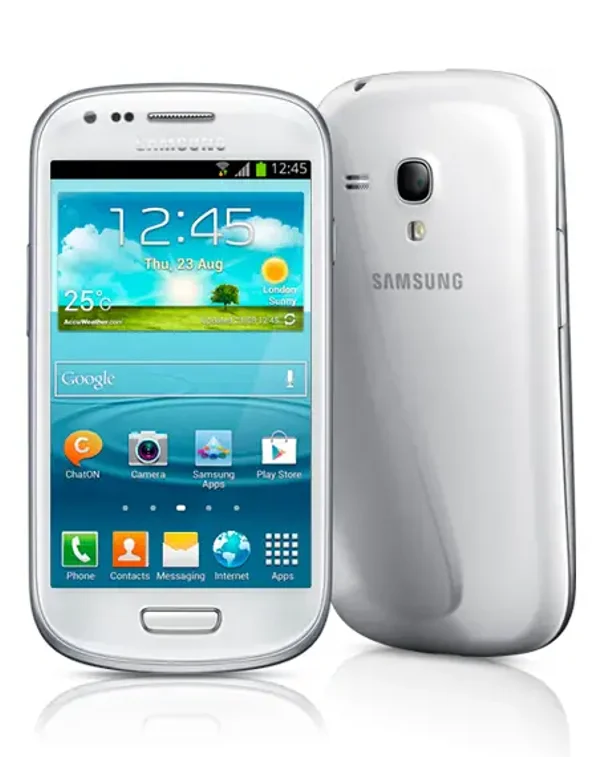
Samsung Mobile is the mobile division of Samsung Electronics, a global tech leader based in South Korea. The company introduced its first mobile phone in 1988 and has since become one of the largest smartphone manufacturers in the world. It offers a wide range of devices catering to both premium and budget segments.
The company is headquartered in Suwon, Gyeonggi Province, South Korea, where it also maintains major research and innovation centers. With a global presence, Samsung operates production facilities and R&D centers across multiple countries including India, Vietnam, and the USA.
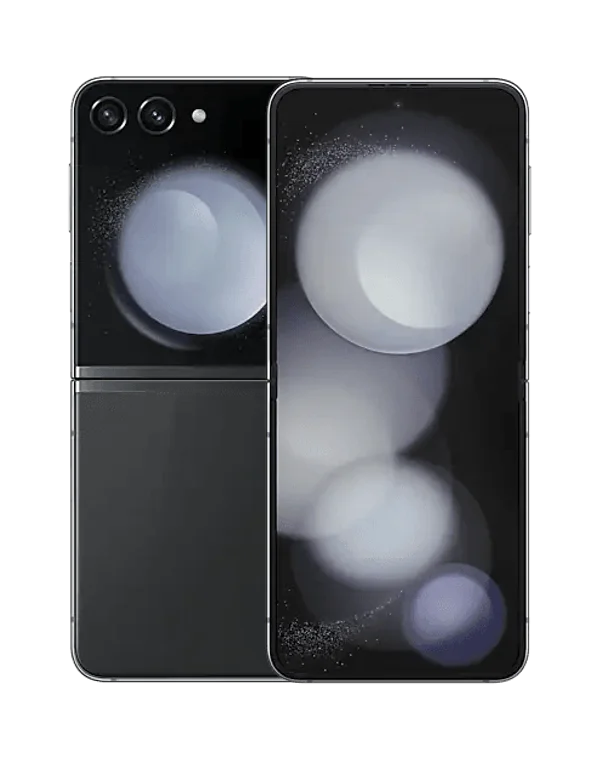
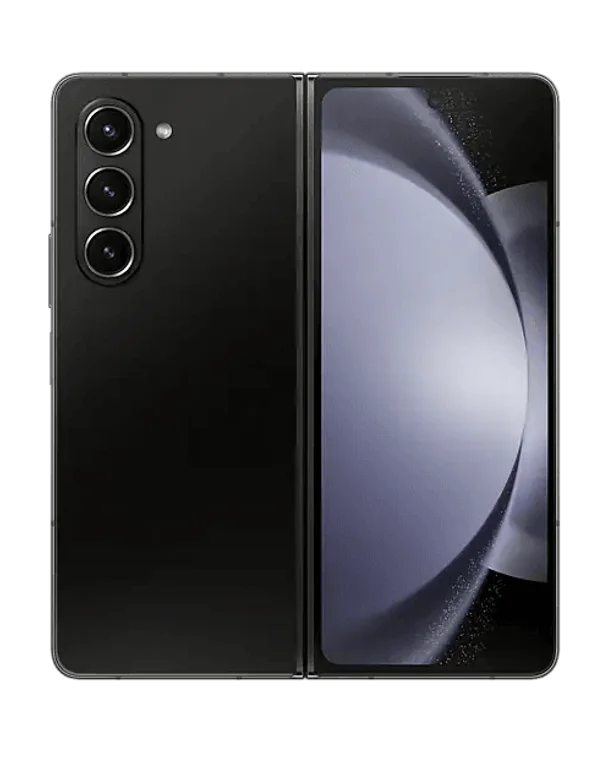
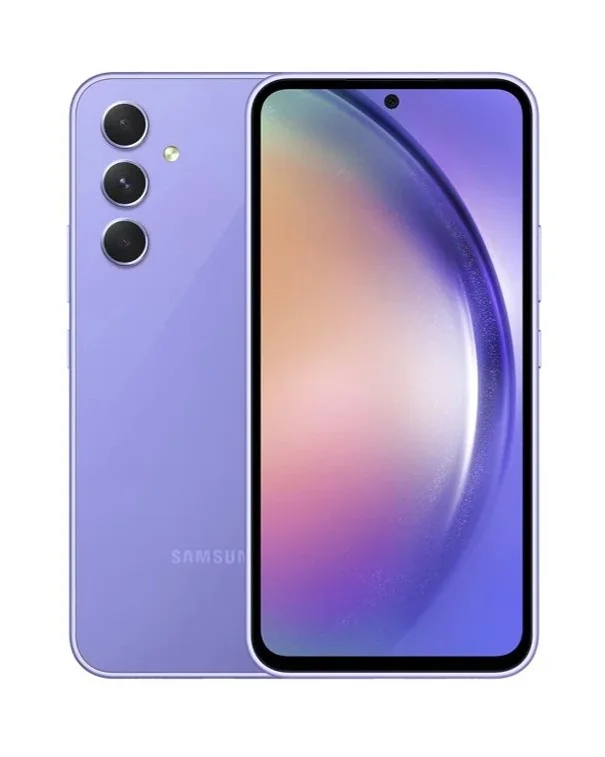
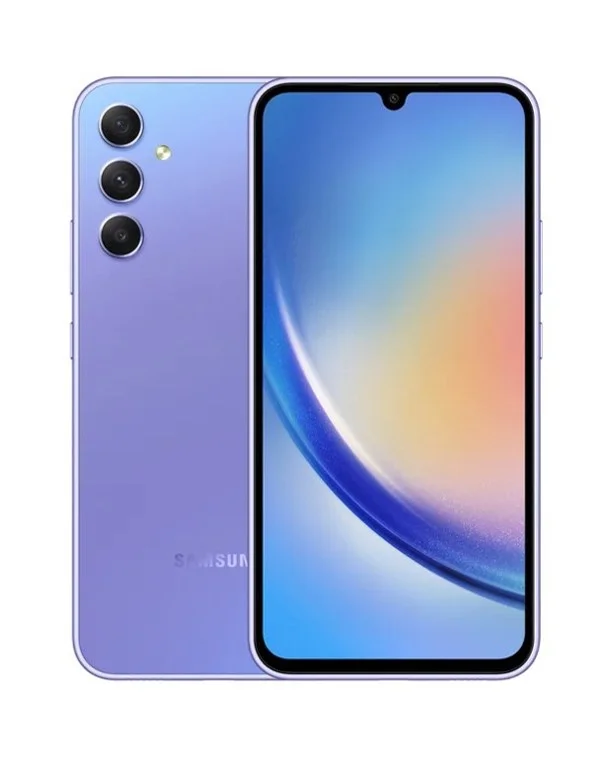
Samsung phones are known for their hardware innovation, including foldable displays, high-refresh-rate screens, advanced cameras, and long-lasting batteries. The popular Galaxy series is split into categories like the Galaxy S (flagship), Z (foldables), A (mid-range), and M (budget).
Samsung holds a strong market share in regions such as India, South Korea, the United States, and much of Europe. Its commitment to quality, design, and technology ensures that it remains a top choice among consumers around the globe.
It's the mobile division of Samsung Electronics, producing smartphones, tablets, and wearables.
Samsung Mobile is headquartered in Suwon, Gyeonggi Province, South Korea, within the Samsung Digital City complex, which also houses its major R&D and innovation centers.
Samsung launched its first mobile phone in 1988, a car phone named SH-100, which was also the first mobile phone designed and manufactured in South Korea.
Samsung Mobile primarily uses the Android operating system, customized with its own user interface called One UI. Some models, like Galaxy Watch, use Wear OS or Tizen.
Samsung phones are most popular in India, South Korea, the United States, Brazil, Germany, and other parts of Europe and Asia, where they hold strong market shares.
Samsung phones are mainly manufactured in Vietnam, where two large factories produce over half of the company’s global smartphone supply. India is another key hub, with a major factory in Noida serving both local and export markets. Some premium models are still made in South Korea, mainly for domestic use. Although Samsung shut down its Chinese factories in 2019, some devices may still be assembled there by third-party partners. Samsung also has production facilities in Brazil for the South American market and in Indonesia for Southeast Asia.
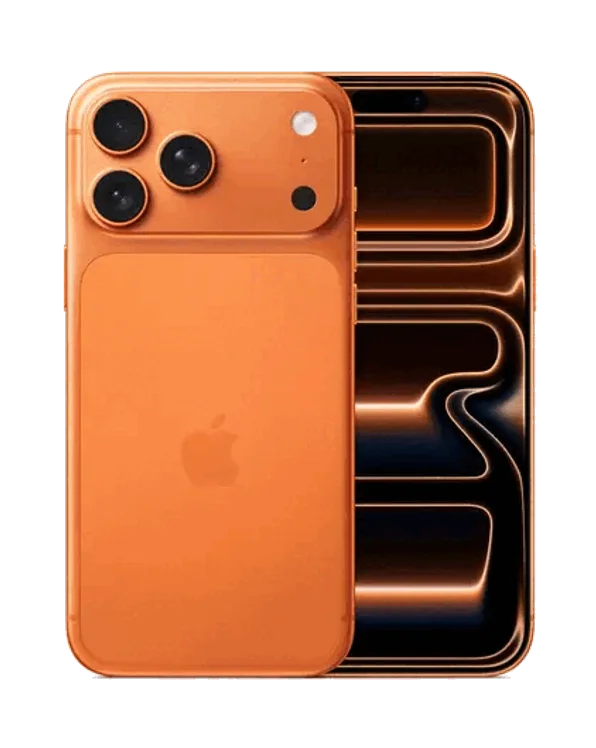
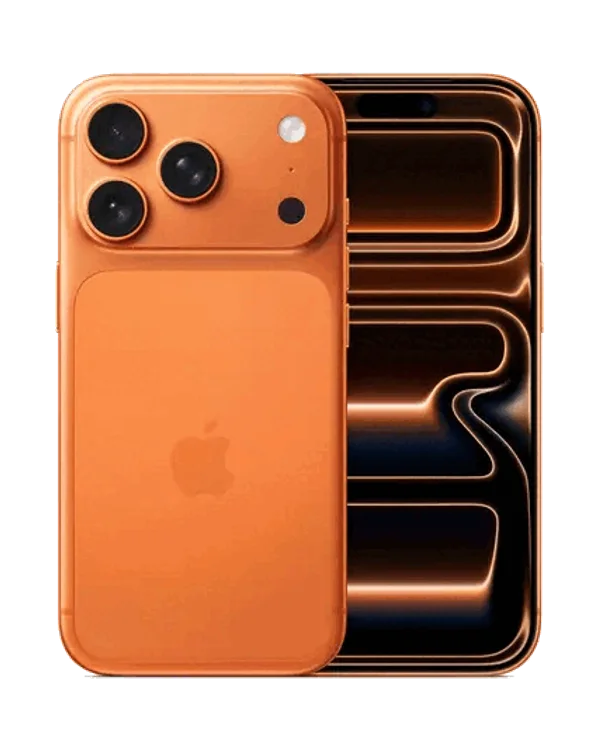
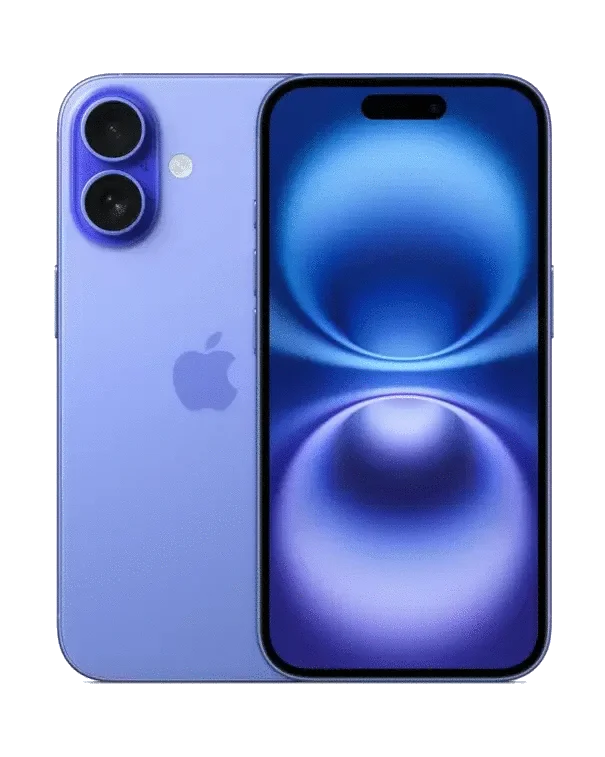
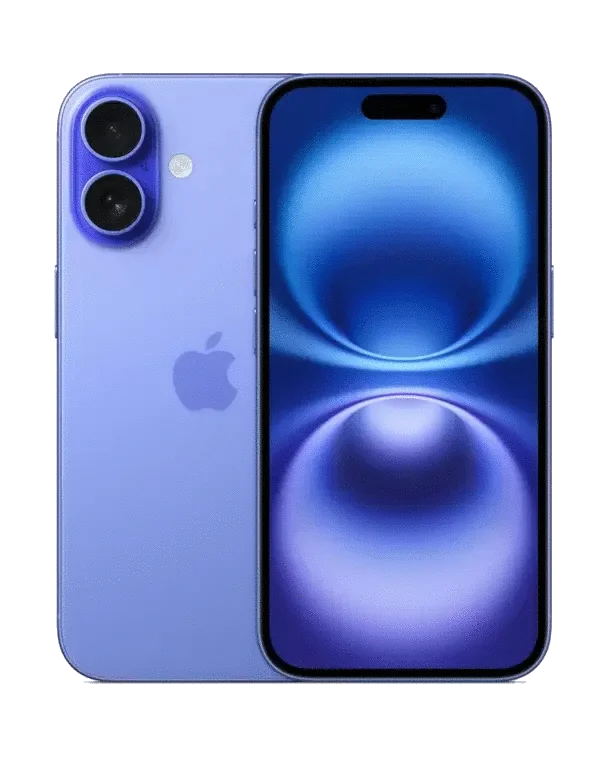
Between Samsung and Apple, Apple is generally considered better in terms of overall user experience, long-term software support, device performance stability, and ecosystem integration. iPhones consistently receive 5+ years of iOS updates, hold higher resale value, and offer smoother performance over time due to Apple's tight control over hardware and software. The iOS ecosystem also seamlessly connects with other Apple products like MacBooks, iPads, and Apple Watches, offering unmatched convenience.Samsung, on the other hand, offers greater variety, including foldable phones, more hardware innovation, and Android flexibility, but its devices typically receive fewer years of software updates, and performance can degrade faster compared to iPhones. While Samsung excels in hardware features and cutting-edge designs, Apple remains the better choice for users who prioritize long-term reliability, security, and consistent user experience.
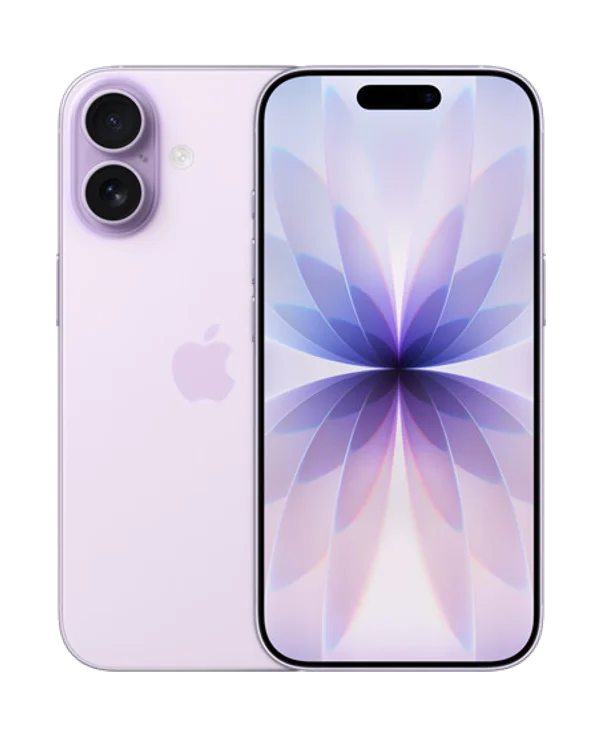
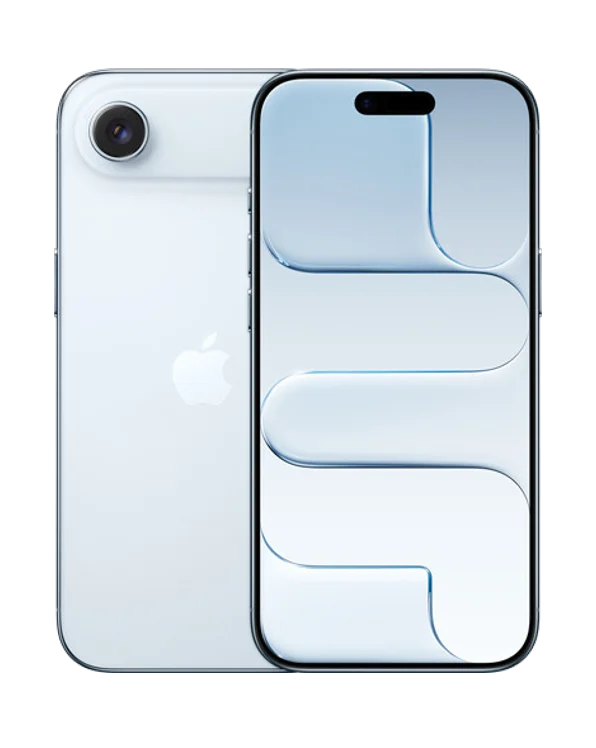
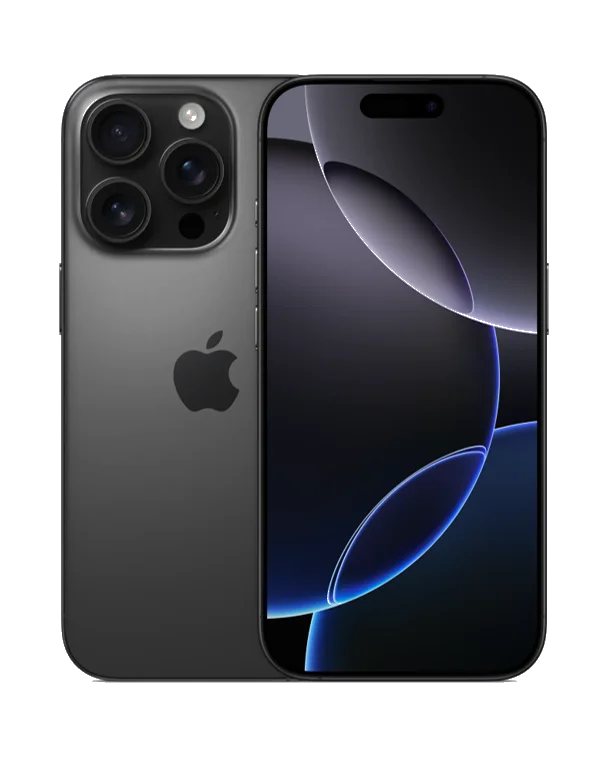



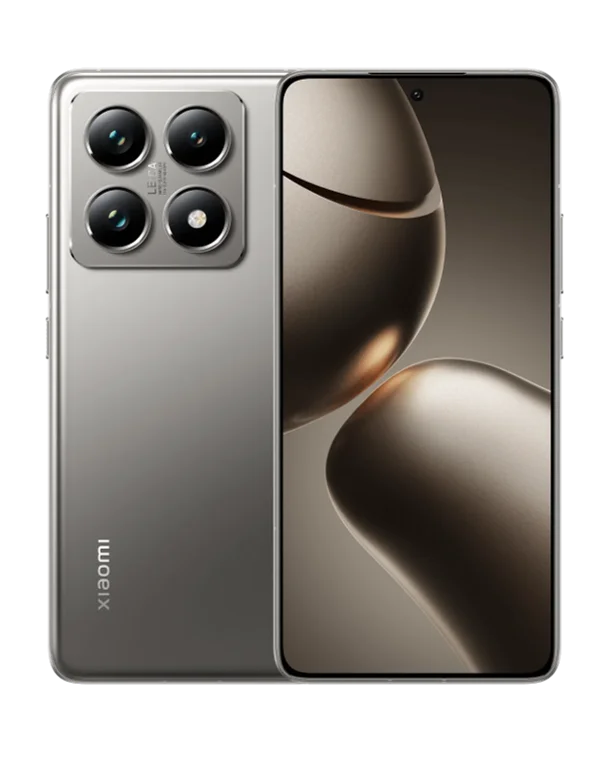
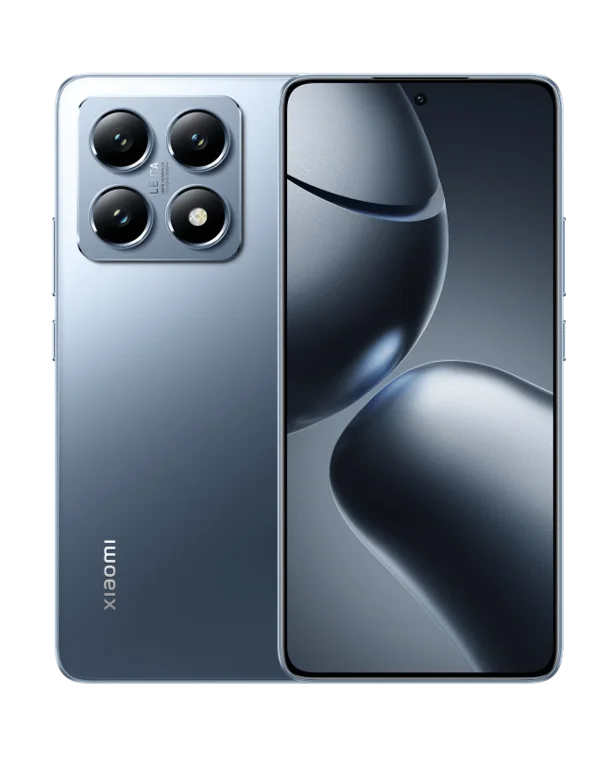



Official Prices are mentioned. Human error is possible.
Always visit your local market for exact Product Price.
© 2025-2026 MobileDevices